おひさま農園's Story
◾️ About Ohisama Farm
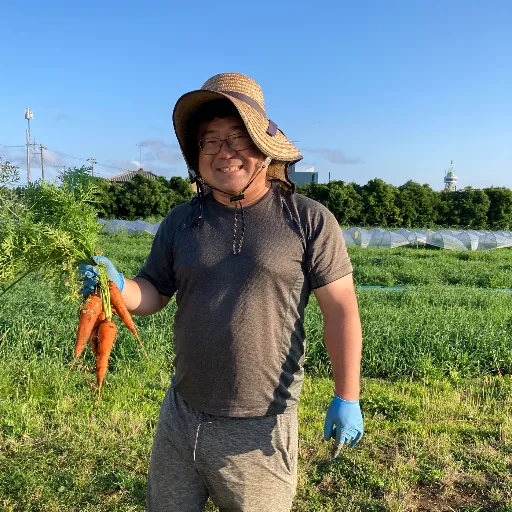
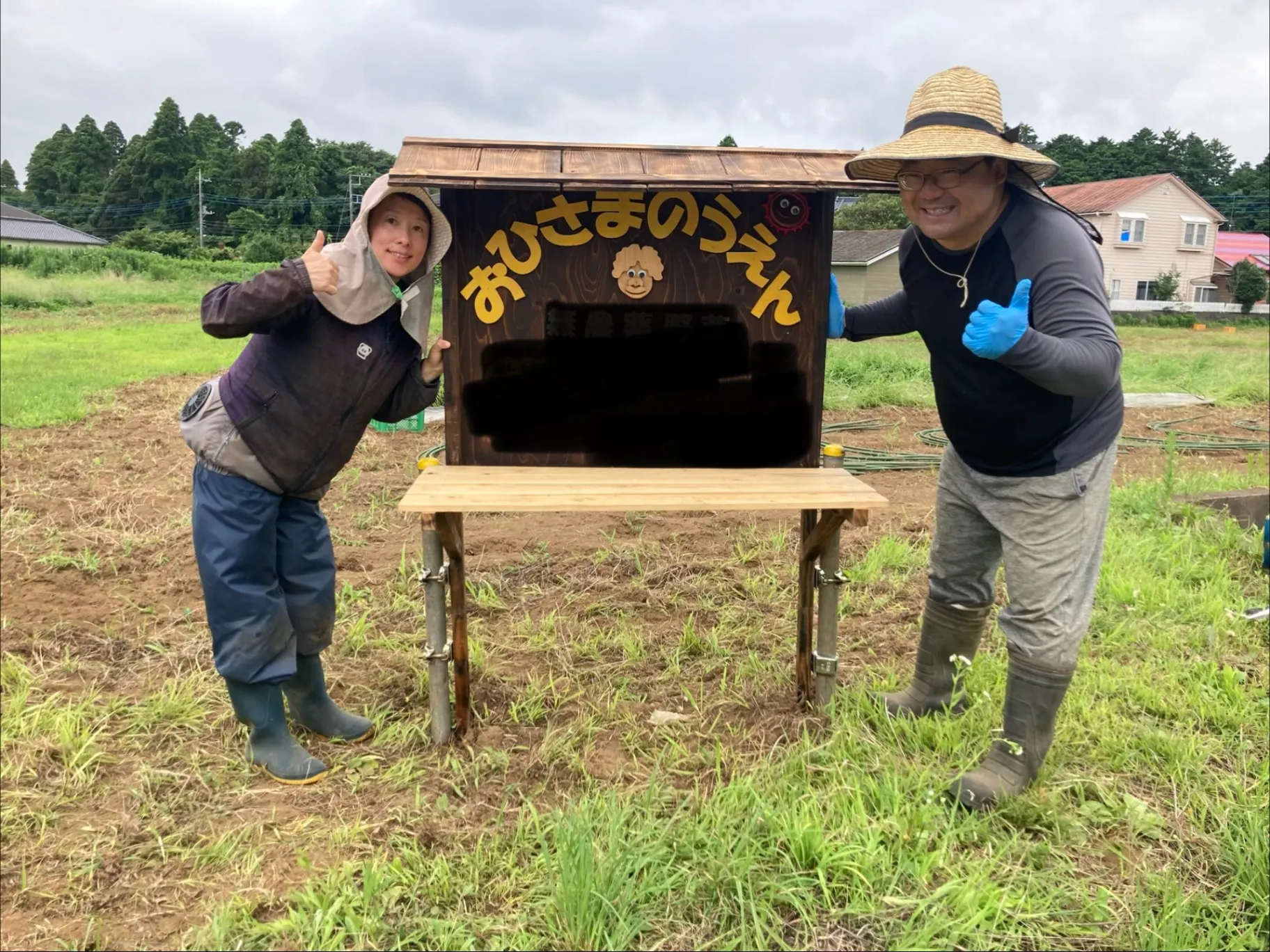
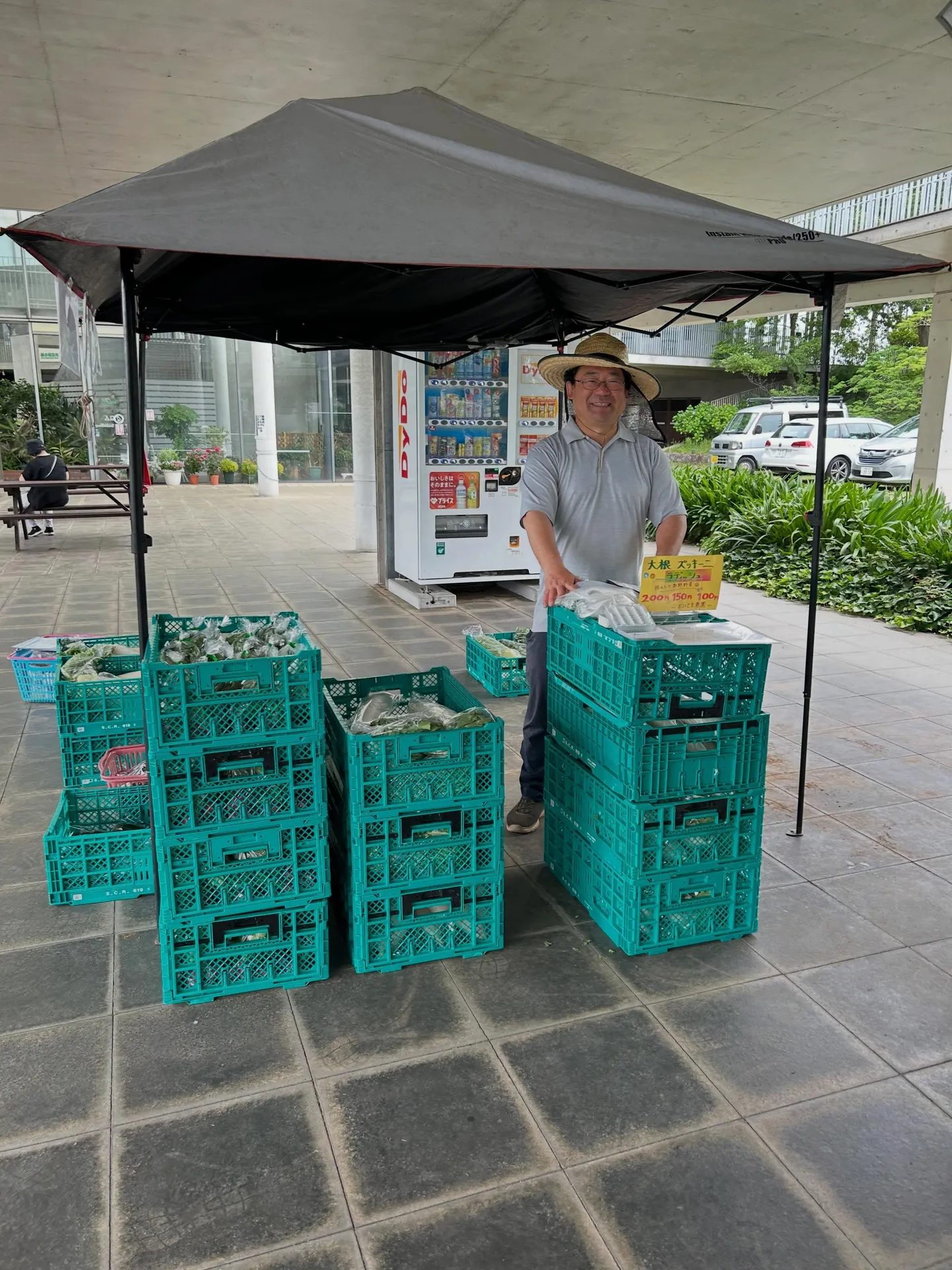
I'm Kawanami Masaki, who runs “Ohisama Farm” in Sammu-shi, Chiba. My wife, Akiko, and I started farming independently in 2019. What we are aiming for is not just a farm that grows vegetables. Nurture soil, nurture living things, and cultivate connections with people. Instead of continuing to take it away from nature, we are taking on the challenge of “environmentally regenerative agriculture (regenerative agriculture),” which grows crops while making nature richer.
◾️ MY ORIGINS
A drama about Tottori University's desert greening project that I watched in the summer of my sophomore year of high school. I still clearly remember being struck in my heart, saying, “There are jobs that regenerate nature and enrich people's lives.” I learned about developing country development at university, and was involved in a garbage composting project with the participation of residents at an Indonesian environmental NGO. I majored in international community economic development at graduate school in the US and studied organic agriculture and agroforestry projects. After returning to Japan, I went through a JICA project in Indonesia and worked on environment-related business with a Japanese company. Even so, my desire to “touch nature, connect with people, and create the future through food” became stronger year by year, and after receiving about 2 years of training under organic farmers, I decided to stand in this field. Now I want to give shape to the experience of dealing with environmental issues around the world on the soil of Sammu.
◾️ Growing vegetables
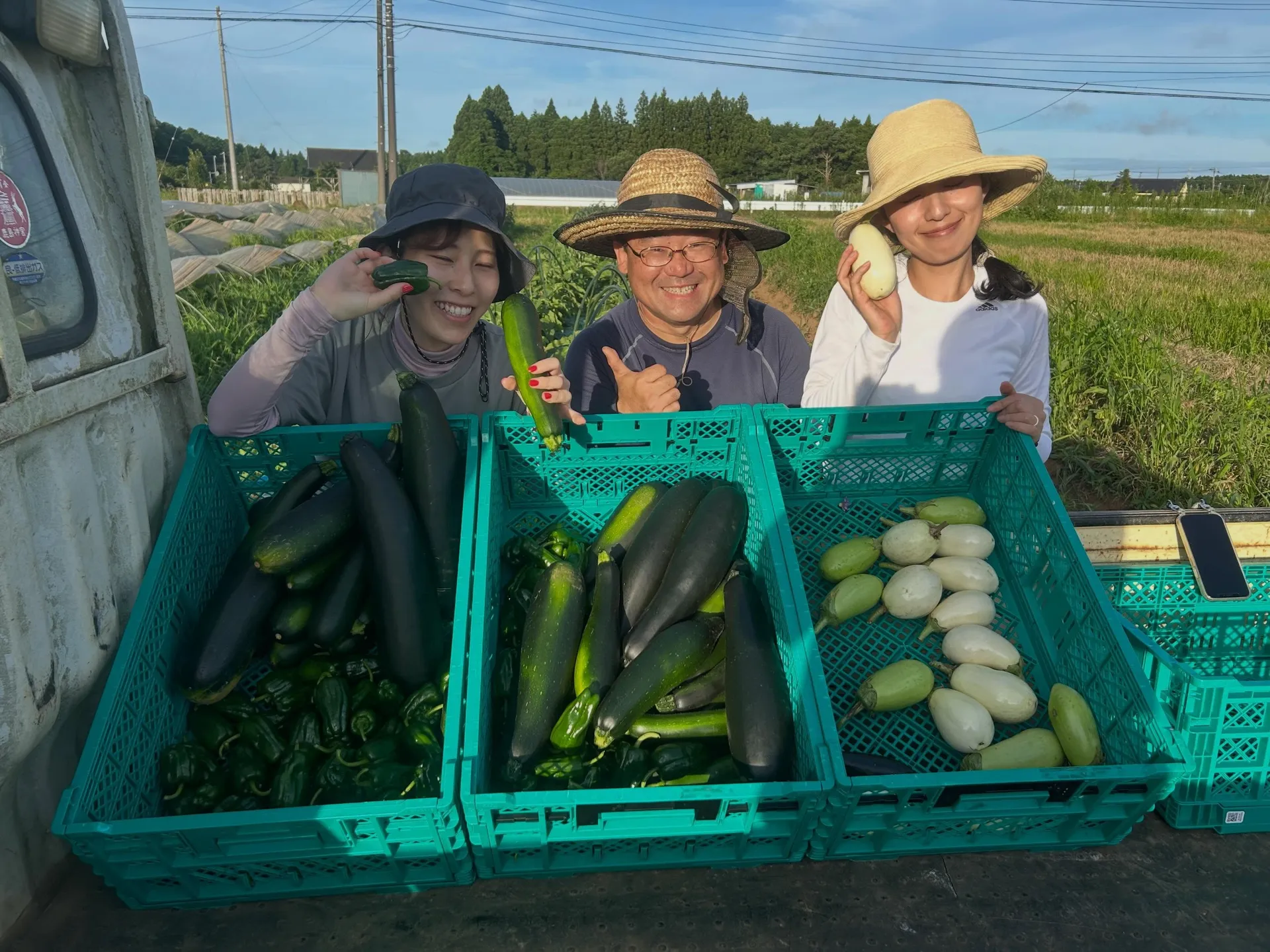
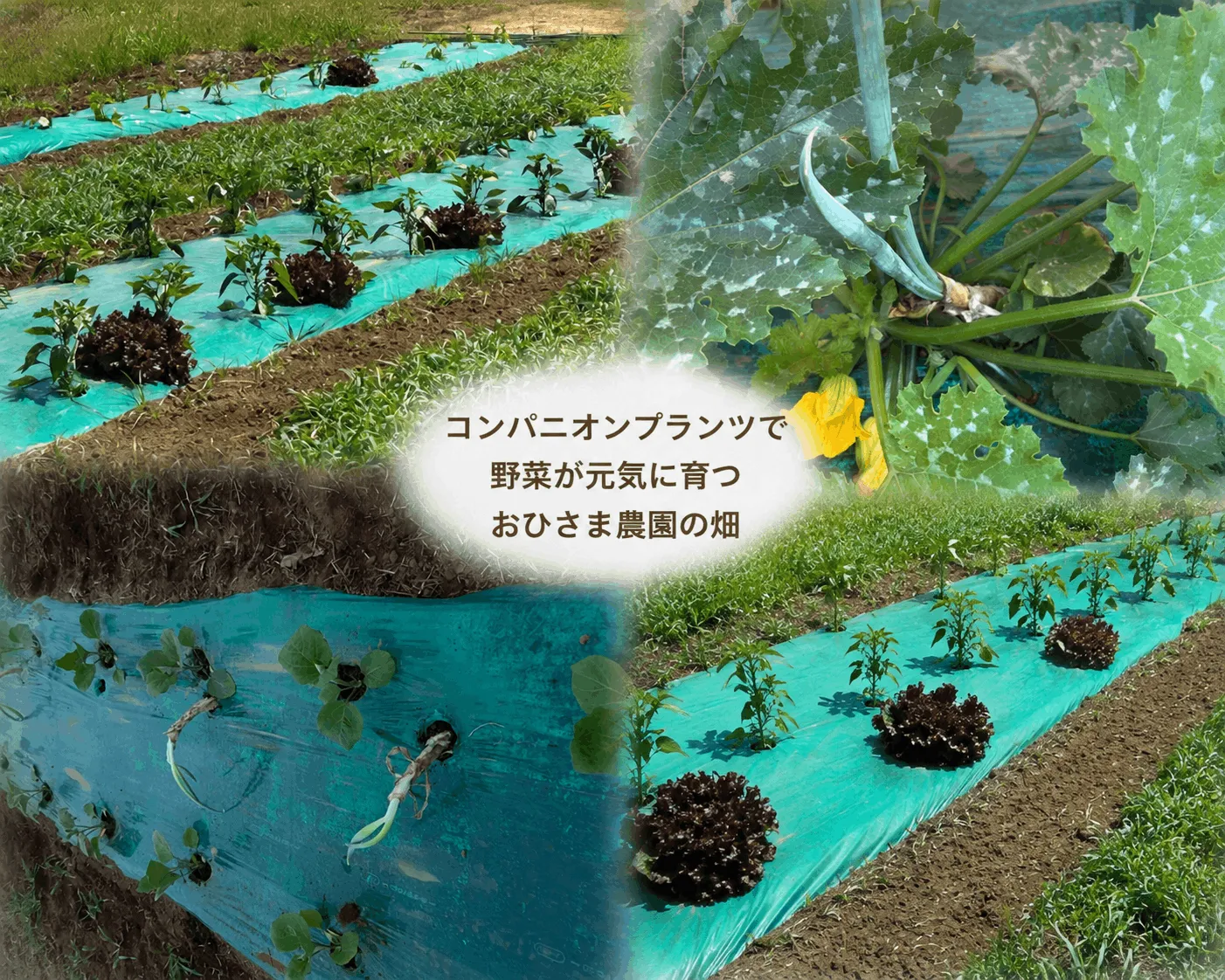
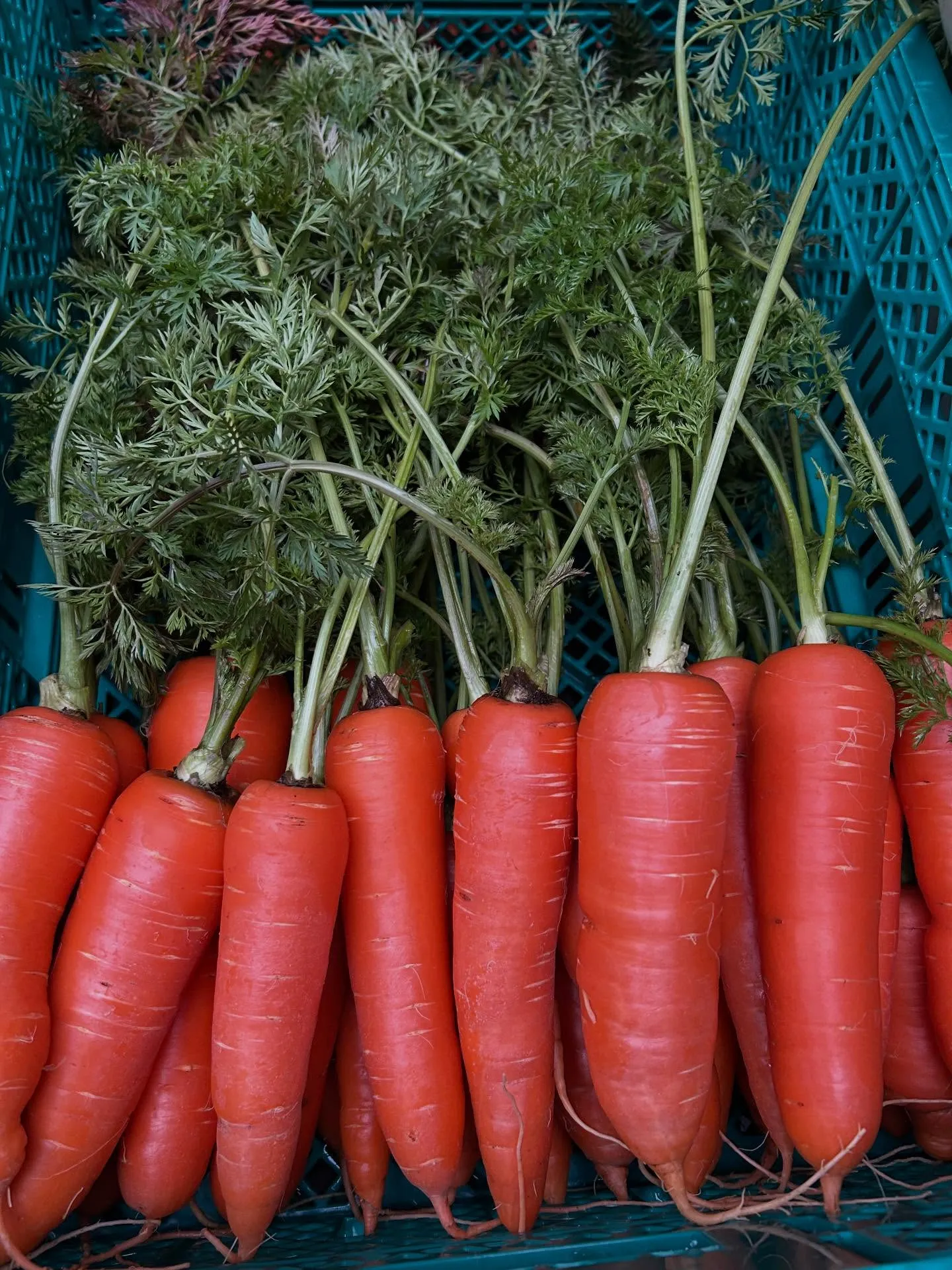
In the field, no pesticides are used during the cultivation period, organic fertilizer, and above all, we value flavors that make people “want to eat again” (*Cultivation does not use pesticides or insecticides after bringing them into the field. We have not obtained organic JAS). We carefully select varieties and grow many items such as bell peppers, daikon, carrots, winter melons, baby pumpkins, zucchini, and red leaf lettuce. Harvested vegetables are sold at stores such as Kasumi, Tokyu Stores, and Life. My personal recommendation is bell peppers to put in miso soup. It comes out with a nice soup stock, and it's really delicious.
◾️ Climate change is already happening in my field
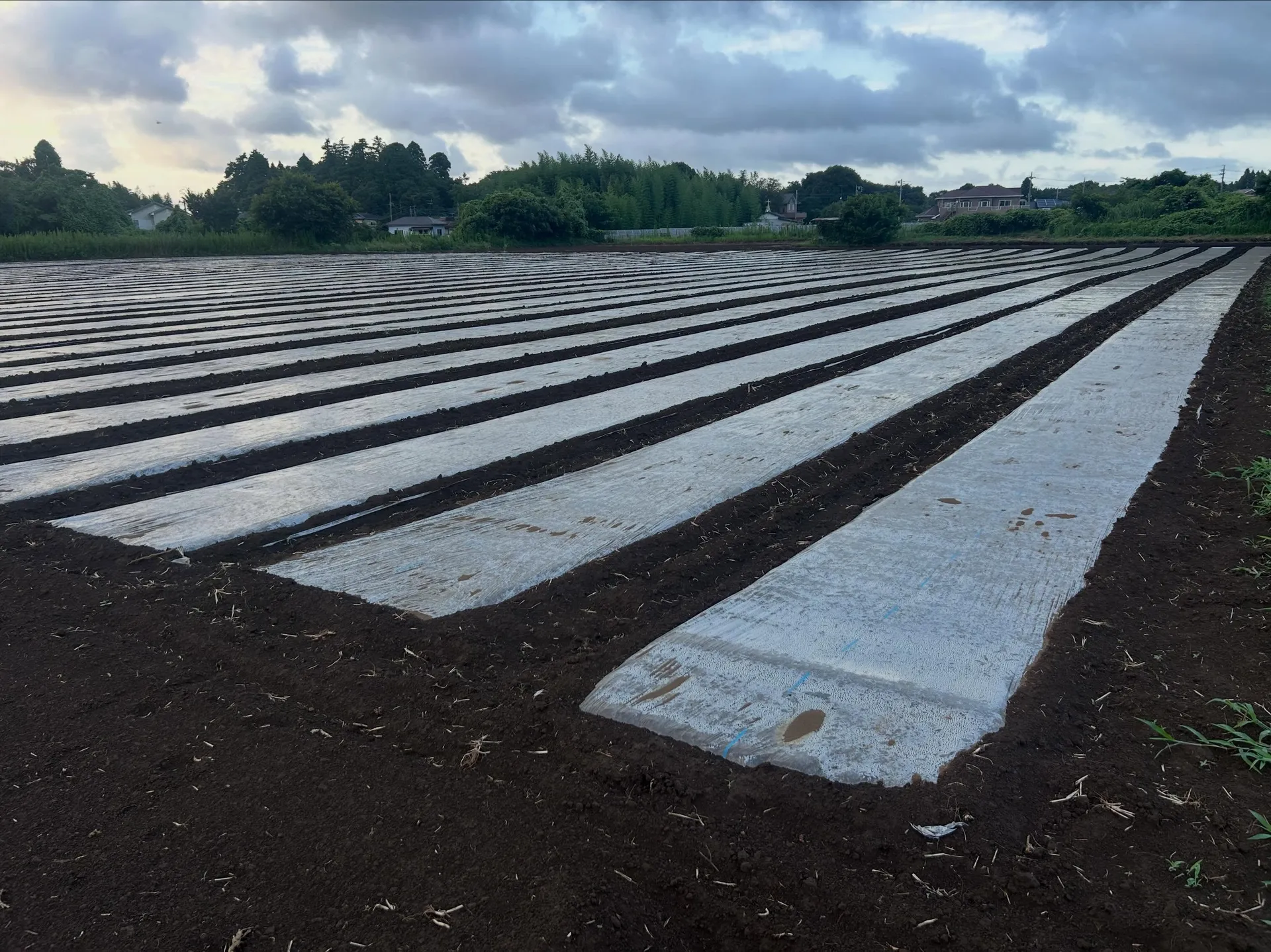
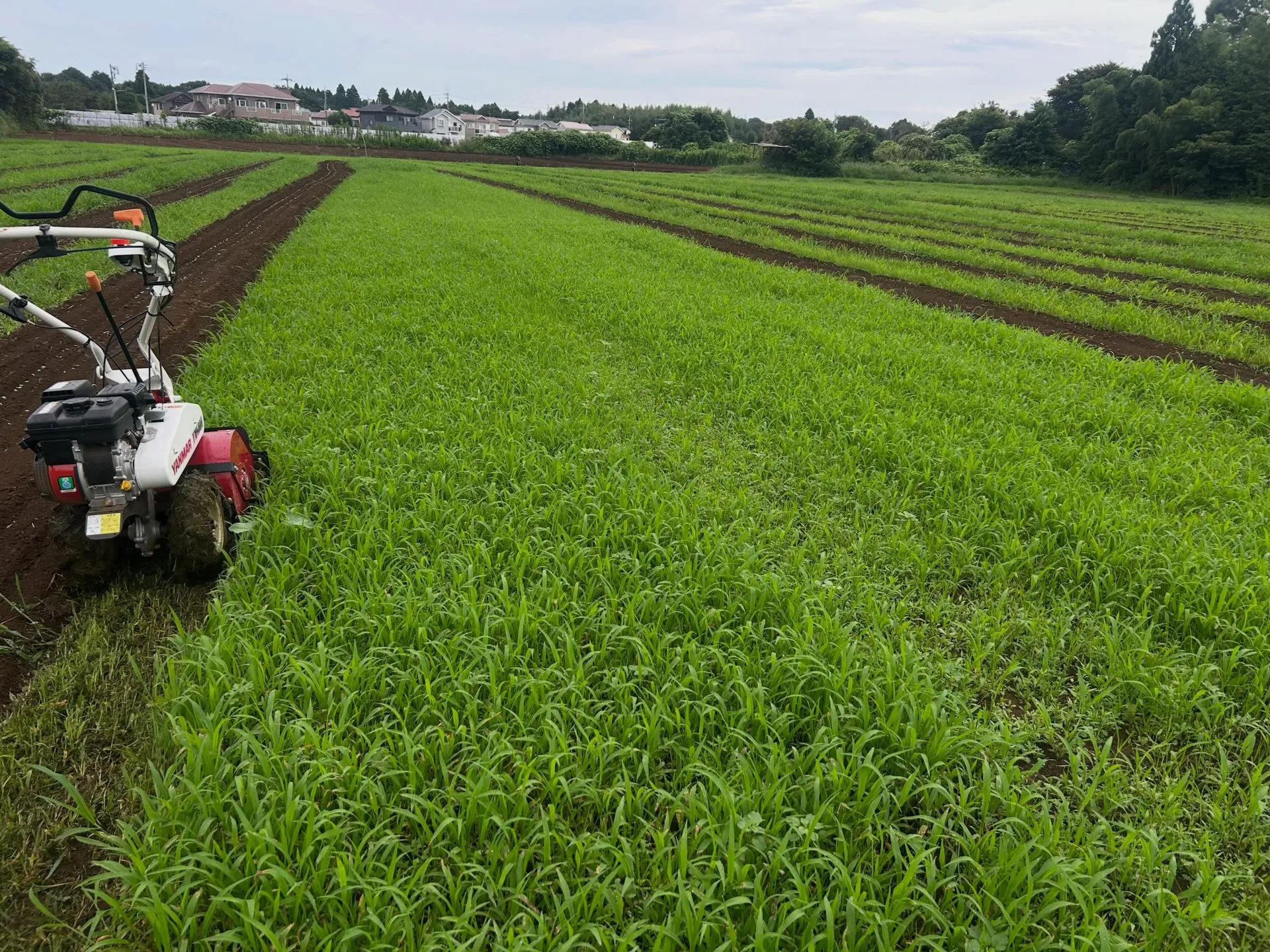
In the year 1,000 winter melons were planted, the vines on top of the mulch were burnt and withered due to intense heat, and the vines were torn due to strong winds and lumps peculiar to Yachimata and Sammu, and more than 30% of the stocks were lost. That frustration led me to start mulching green manure. Grow green manure and return it to the soil to create “living soil” where microorganisms and earthworms can live. It does not rely on vinyl mulch, increases water retention, and makes it a field resistant to dryness and heavy rain. We are still in the process of trial and error, but I believe that each one of these will be a model for agriculture that is resilient to climate change.
◾️ What 3,000 daikon radishes taught me
In the spring of the first year of new farming, the harvest period was misunderstood, and about 3,000 daikon trees became out of standard. Even though the taste and quality didn't change, I had to throw it away just because it “doesn't fit in the box.” At that time, I was keenly aware that a “mechanism to utilize” was as important as “making.” Right now, Mr. Yanagida, an onion farmer in Tomisato City, is crying buying non-standard green onions that he had discarded and using them in his fields as companion plants. It gives a new role to things that should have been thrown away, and profits are also returned to farmers. I would like to create a cycle of changing “waste” to “thank you” in this region, including opening market stores for non-standard vegetables.
◾️ There's always someone in the field
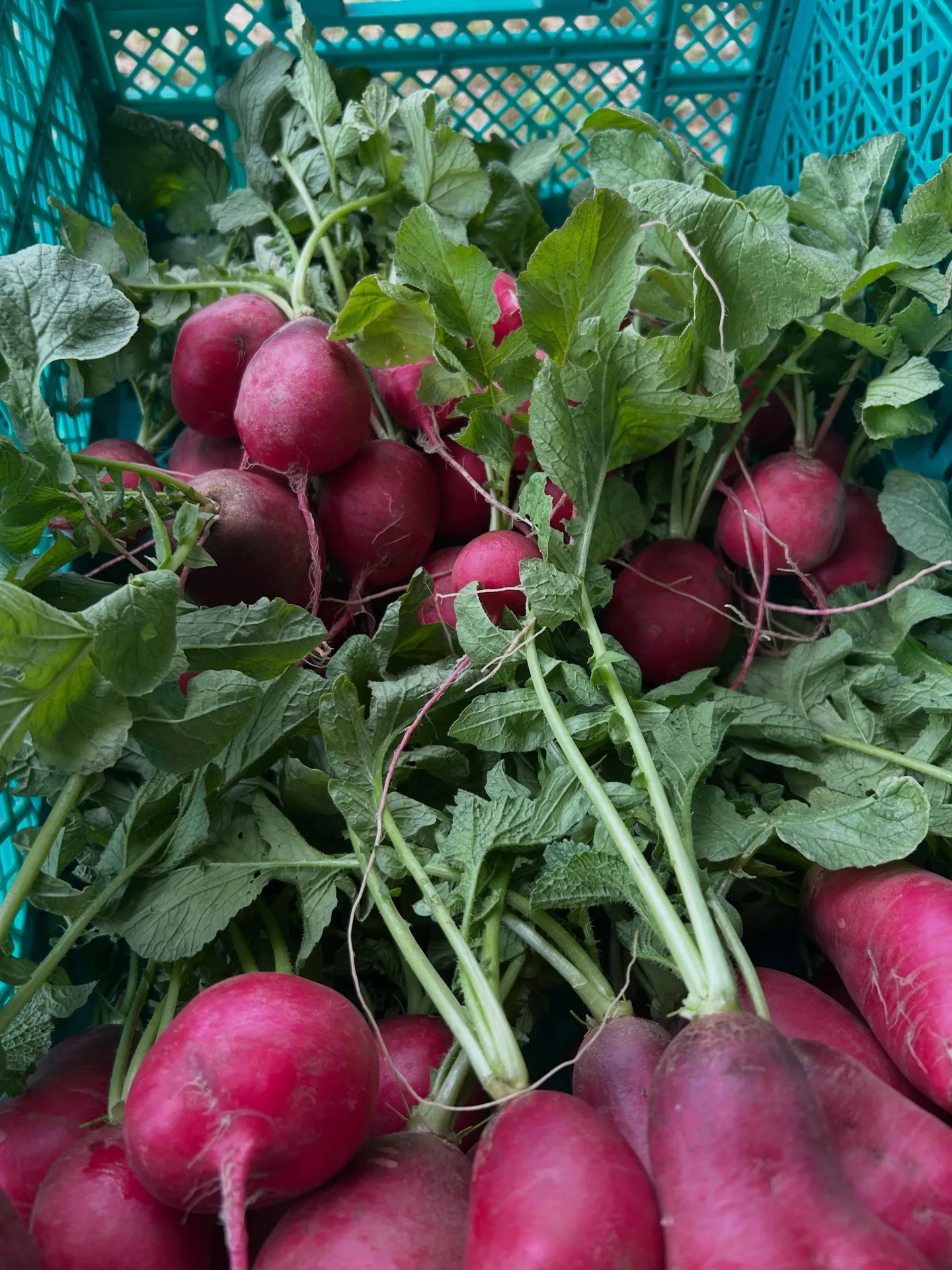
Farming aid volunteers, harvesting experiences, farming experiences. There are people who sweat together on days when mint water is sprayed from evening to night, and on days when mulch is peeled off. Sisters laughing with freshly picked bell peppers in their hands, children gnawing large radishes on the spot, and students spending time in the field. A field is a place to grow vegetables, and at the same time, it is also a place where people connect. That's why I always want to keep my fields open.
◾️ Steady everyday life and continuous learning
My daily farm work is very steady. My wife is responsible for everything from harvesting bell peppers to adjustment and shipping, and I go around preparing the soil and managing the fields. If it continues to rain for a long time, work will accumulate, and if a typhoon is predicted, there will be concerns about the harvest amount. Even so, every day I look forward trying to get through it somehow. I think it is my role not to keep what I have learned within myself, but to return it to the community through experience sessions and communication. If one field changes, the region changes. If regions change, future agriculture will change. I would like to expand agriculture where nature and people can smile from this field in Sammu City.