noumee

野菜ーに

野菜ーに's logo / icon
Experiences
1
Followers
1
Location
Kaisei, Ashigarakami District, Kanagawa, Japan

Related links

Certifications & awards

Athletic trainer qualificationAthlete Coaching Results: Kanagawa Prefecture 2nd, 6th, and 8th, National Tournament/Kanto Tournament Participation GuidanceFruit picking & lecture for 200 elementary school students/town revitalization internship lecturer/mochi making experience with 20 people, etc.

野菜ーに's Story

Machine translation

About this field

We grow rare vegetables that do not use pesticides during the cultivation period in Kaisei-cho, Kanagawa. I started going out to the fields with my parents when I was in my 20s, and it's been over 20 years now.
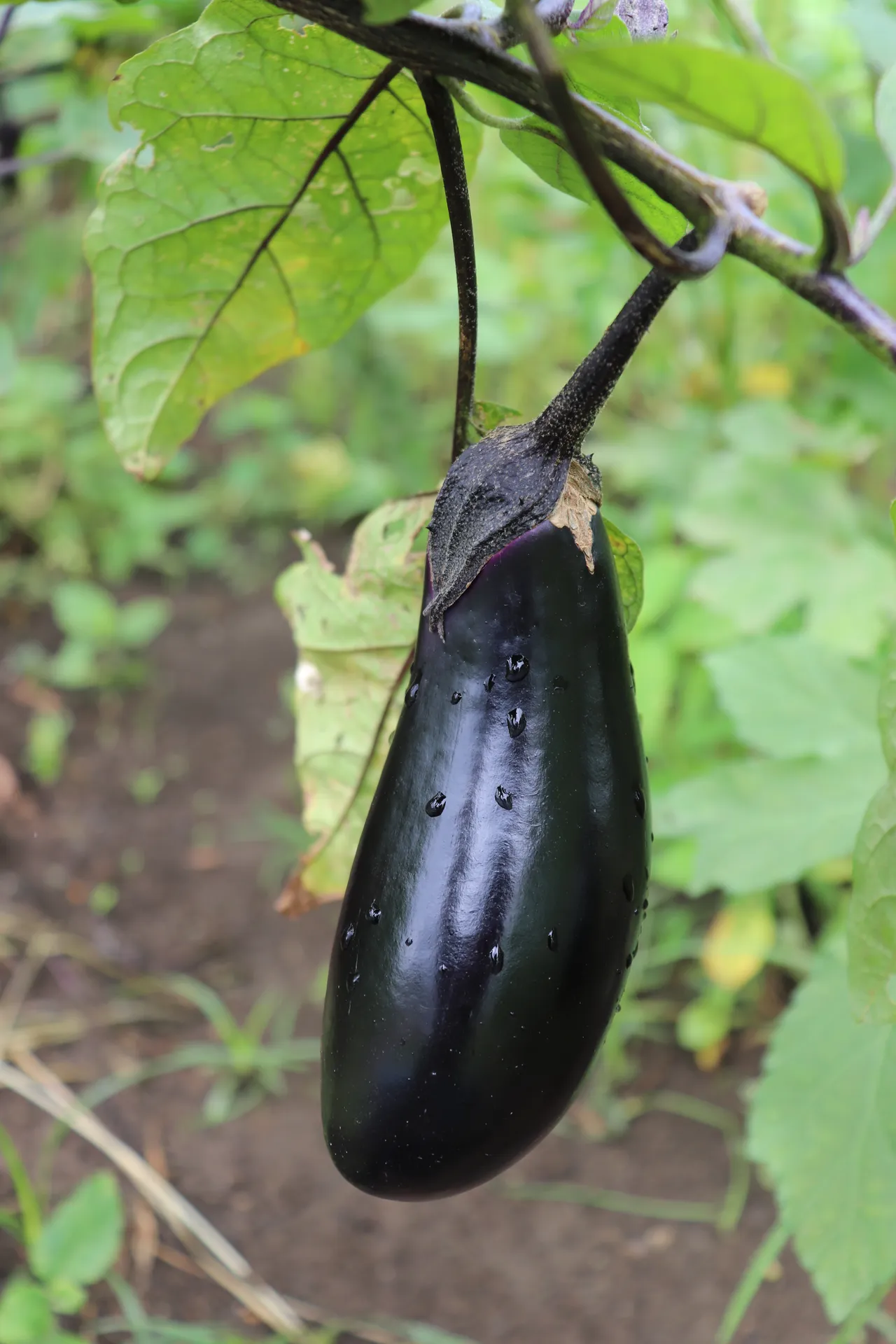
How I started the field

In addition to working in the fields, they also have qualifications as athletic trainers, and I have seen students active in national competitions up close. Watching people grow up close has always been a source of power for me. In the midst of that experience, I began to feel that what we eat is important for both our body and mind. Then I wanted to make vegetables that are really good for the body, so I started a field that does not use pesticides.
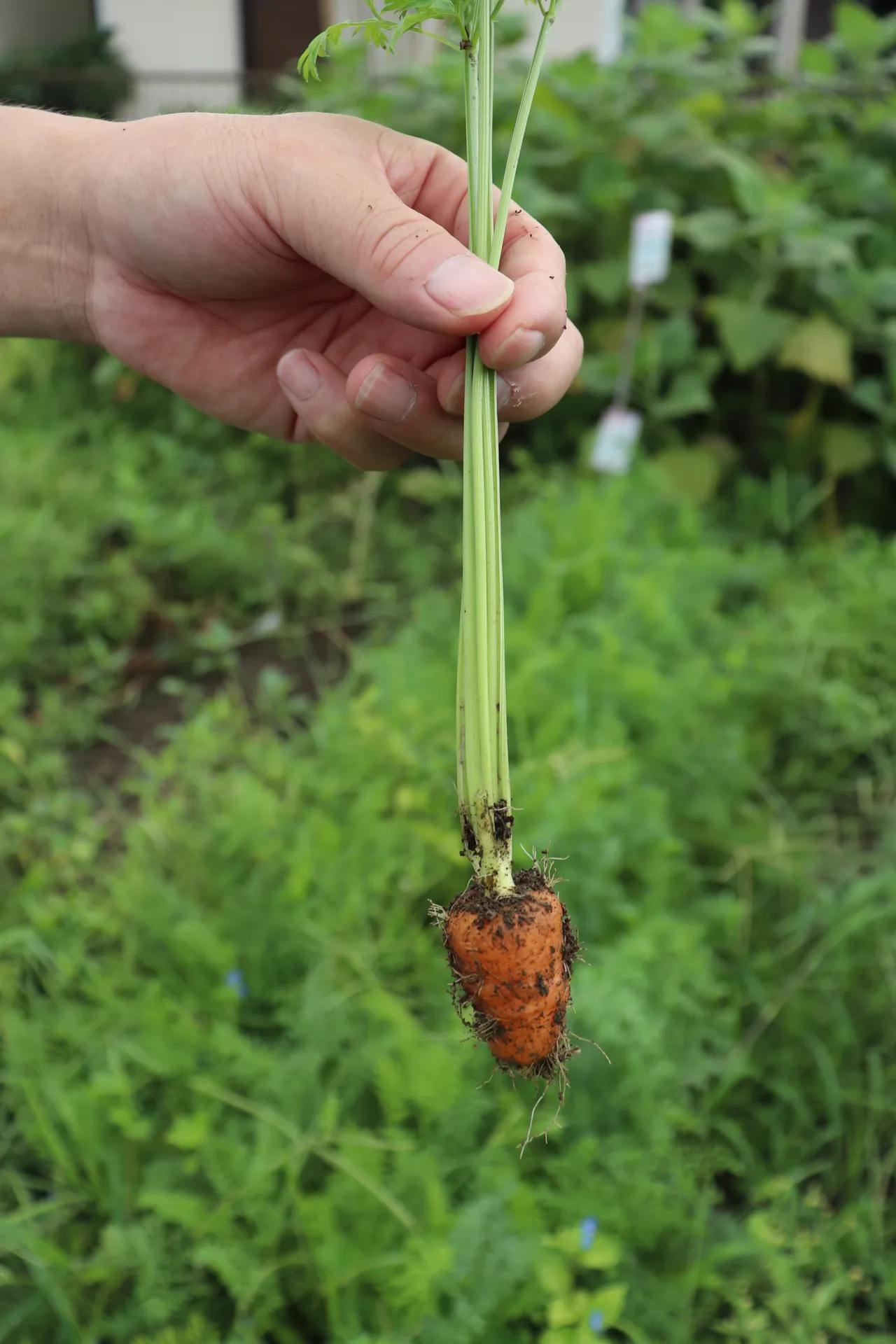
An unforgettable event

Something like this happened. The mother's child, who said that my child hates carrots, ate the carrots here. Then, 3 years later, my younger child, who was in my stomach at the time, grew up and ate the same carrots. Since there are moments like this, I keep thinking that it's good to make vegetables.
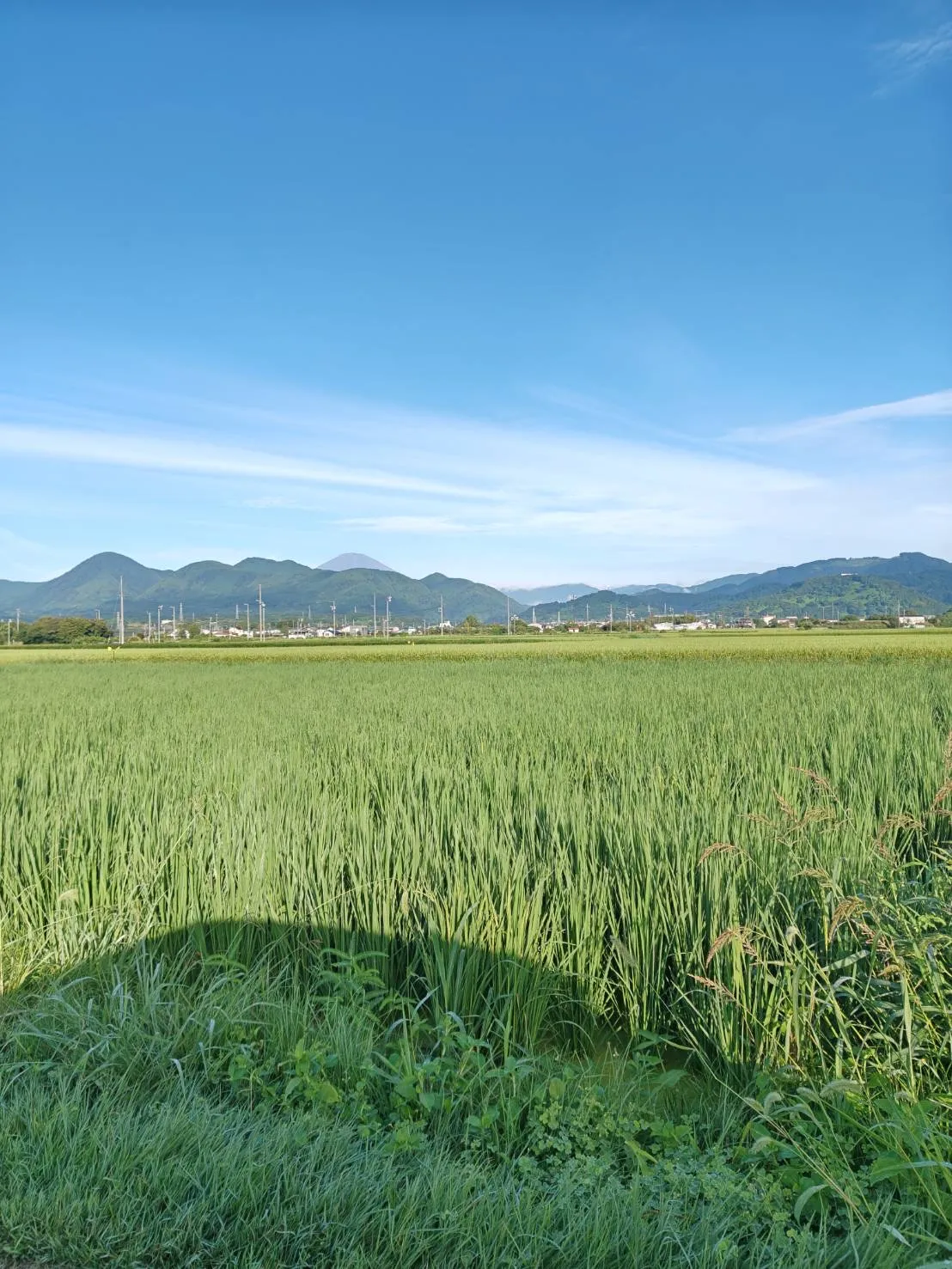
Land Called Kaisei

Kaisei Town has cool summers and warm winters. There is plenty of water, and fireflies also appear. I would be happy if the time spent in this field will be even a little fun for those who come. If there is anything that would trigger it, I would be very grateful.
What we are working on in the field

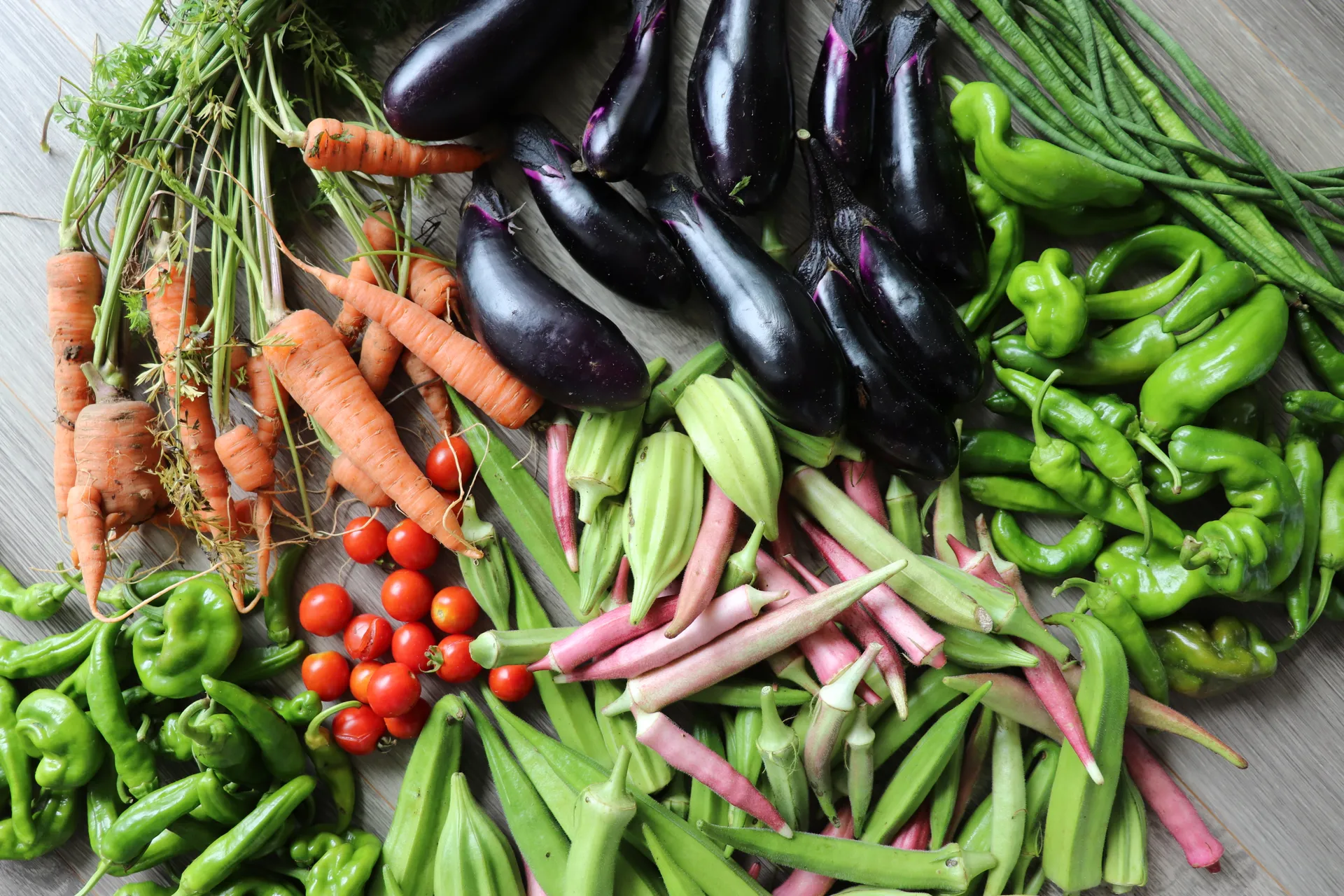
To be honest, it takes quite a bit of time and effort to grow more than 160 varieties per year. While dealing with insects and the weather, it is a steady accumulation of work such as picking and drying the seeds yourself. Weeding is also done by hand with almost no machines in.

It's not just work that I'm working on. They decide where to plant by considering the path of the wind, adjust the spacing between stocks because they harden when crowded, and devise planting combinations by calculating how insects gather.

While reading the environment of this land, I'm thinking about which vegetables to plant where, making use of the characteristics of each one. Wow

There are years that don't go well, and there are many things that are difficult because pesticides are not used during the cultivation period.

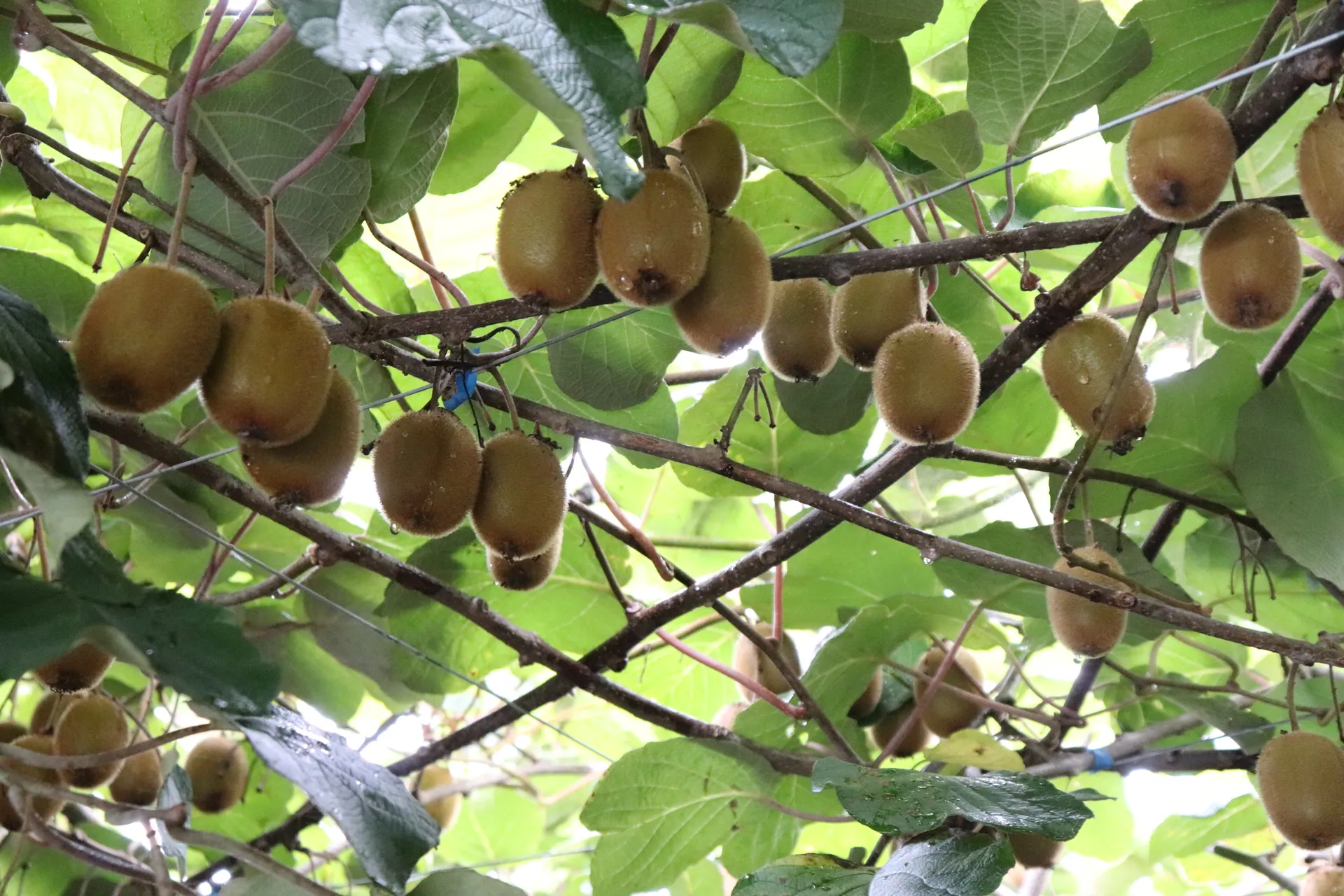
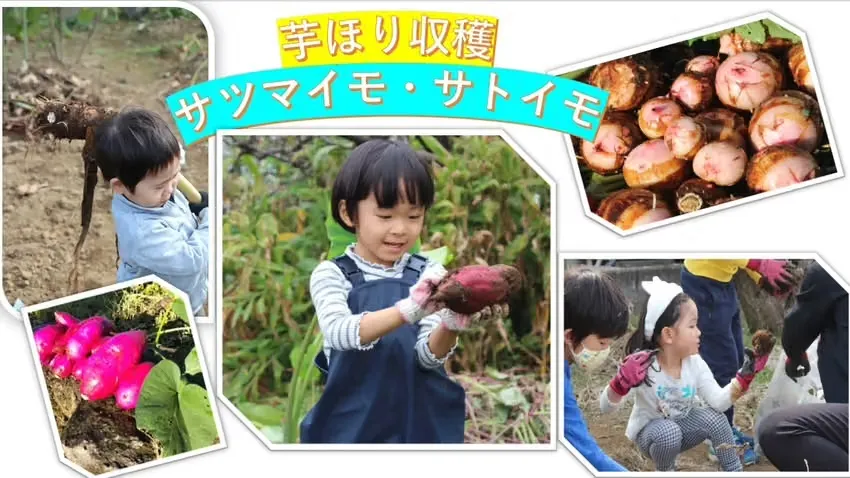
Vegetables are most delicious the moment they are harvested. Therefore, we have begun to focus on harvesting experiences where people can enjoy freshly picked food on the spot.
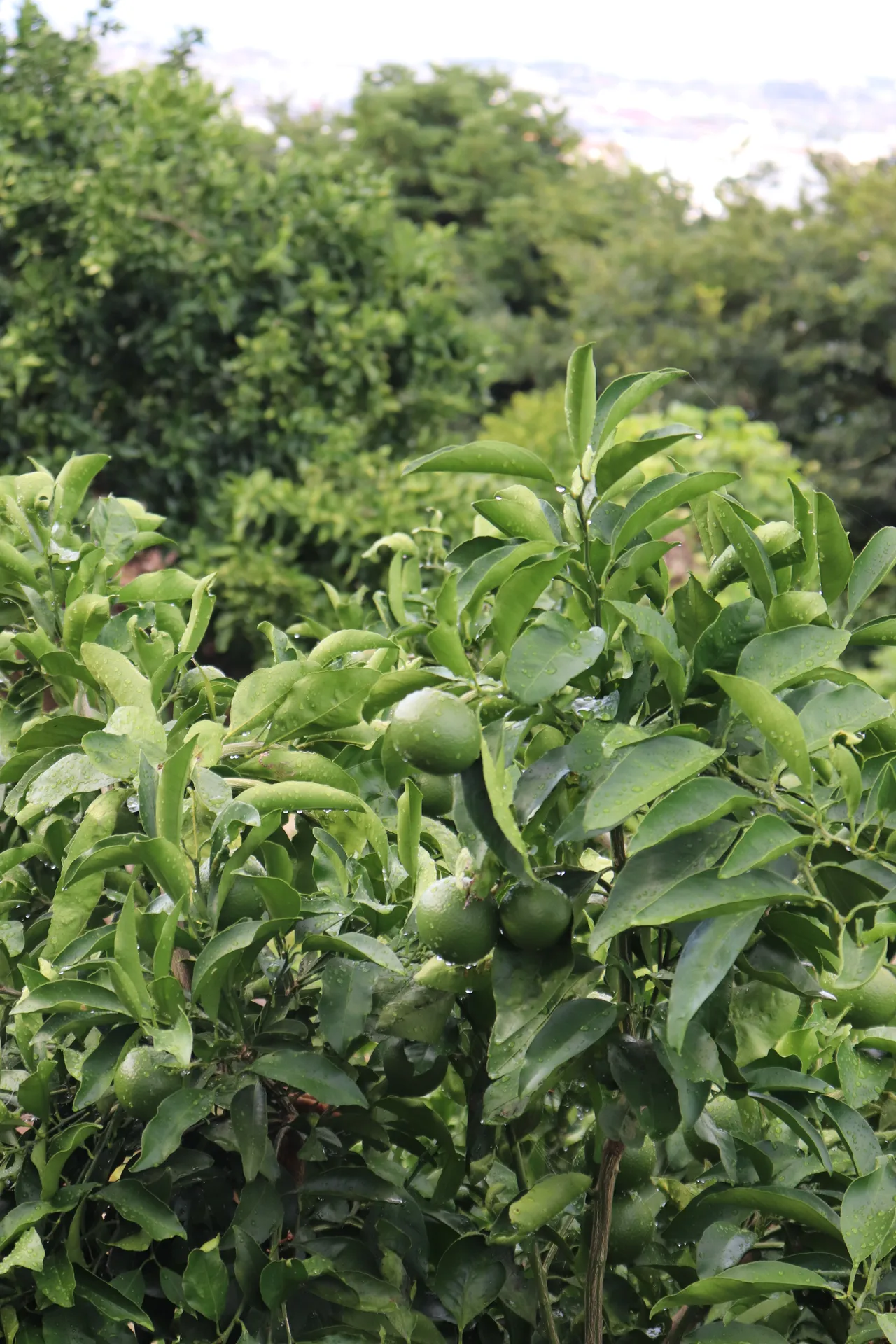
From now on

What I want to do now is make this field a place where people gather. I would like to be able to convey the appeal of Kaisei Town and this land to those who come through farming experiences. I would be happy if this place could be an entrance to something for someone.
Our commitment

Machine translation
  • No pesticides or chemical fertilizers are used during the cultivation period

    No pesticides or chemical fertilizers are used during the cultivation period. Therefore, it is normal for creatures such as bugs and frogs to exist. We grow more than 160 varieties a year.

  • rare vegetables

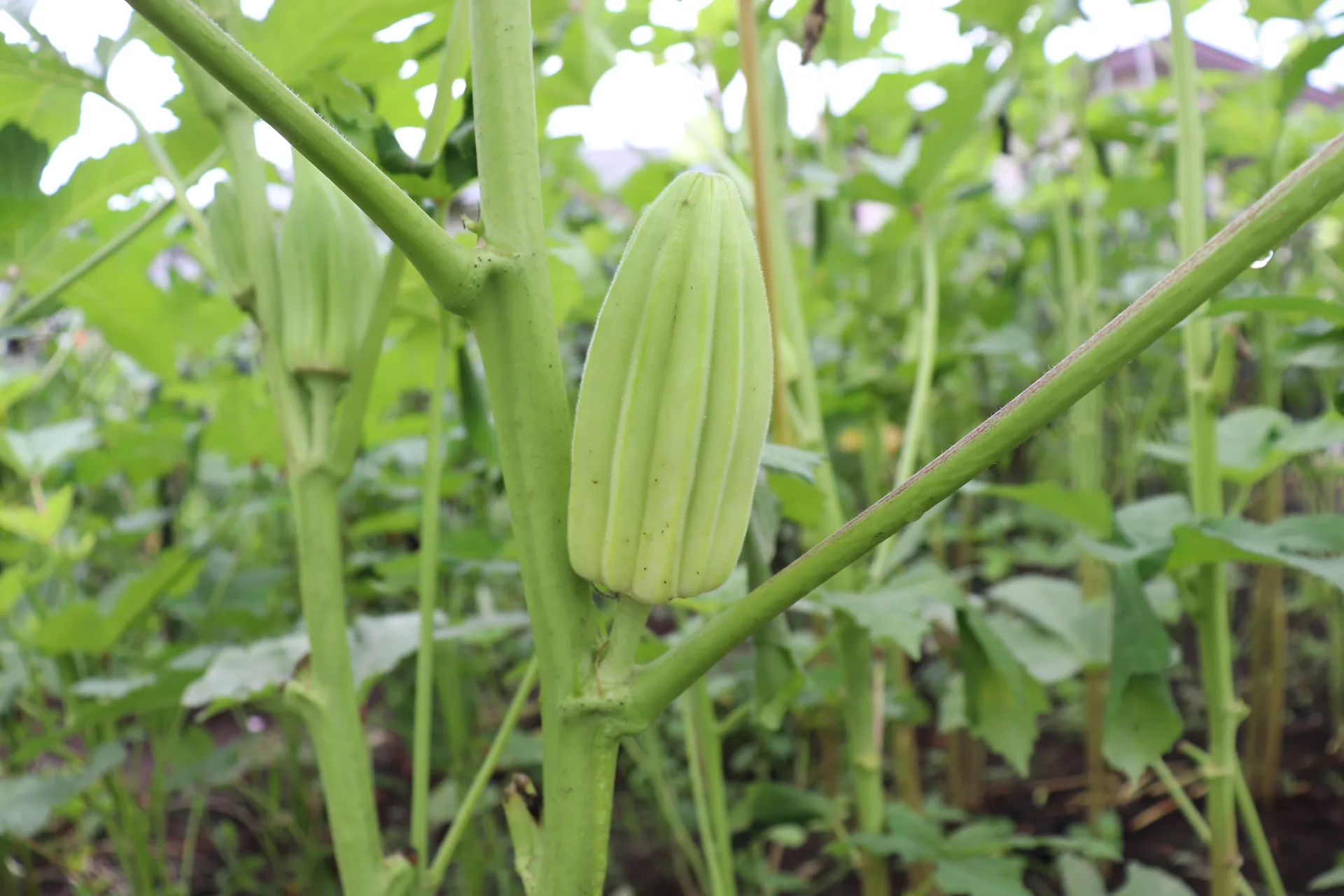
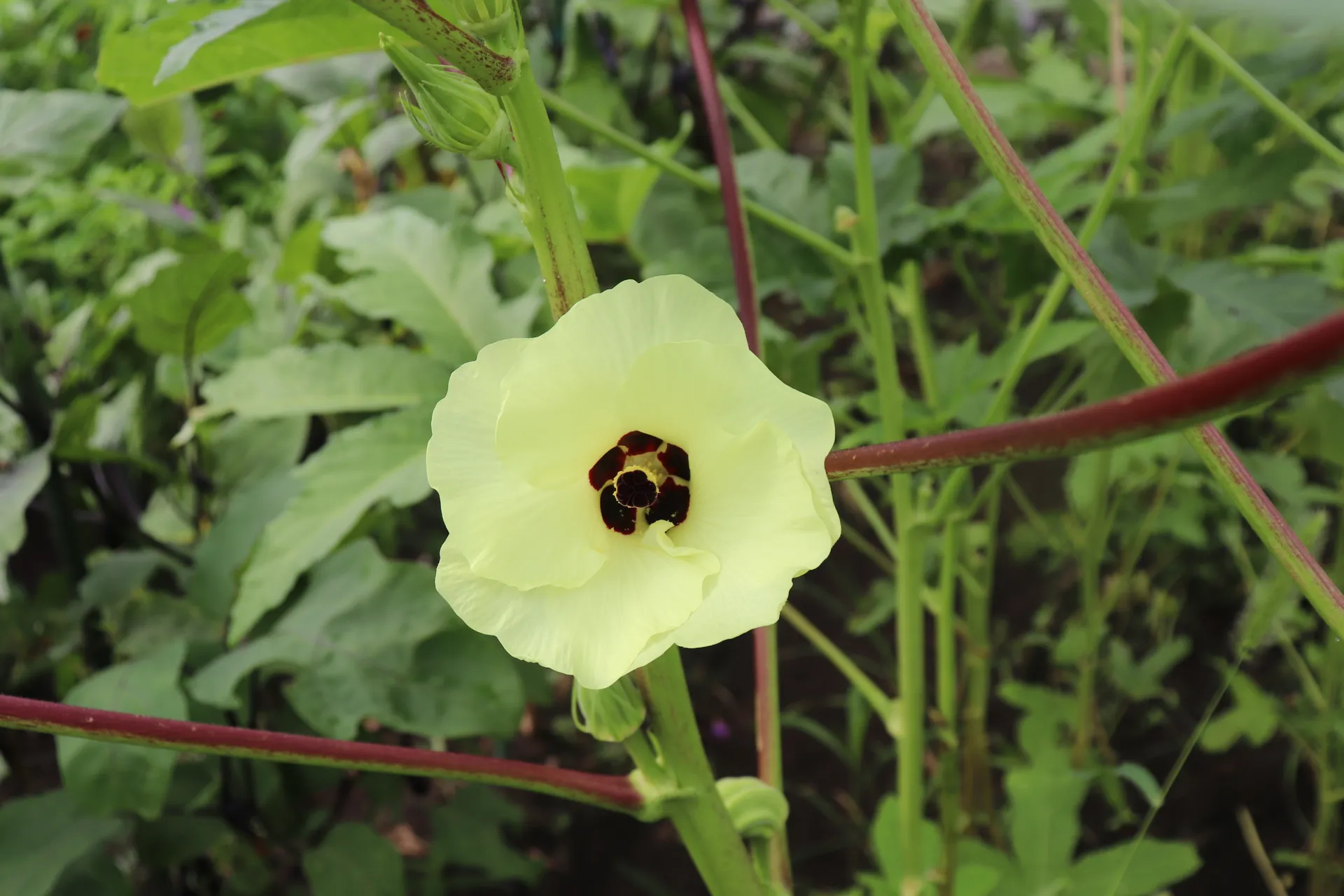
    There are many vegetables that can't be found in supermarkets. In addition to Japanese vegetables, there are also Italian vegetables, star-shaped okra “Star of David,” and micro tomatoes smaller than cherry tomatoes. We also find the latest vegetables and plant them experimentally.

  • Self-breeding

    I don't buy seeds; I pick them from my own field. Root vegetables and leafy plants do not have seeds in the edible part, so they are left unharvested to bloom and seeds are harvested. It takes time and effort.

  • How to grow to increase nutritional value

    Using a method different from general distribution, they are raised to the state where nutrition is highest.

  • Freshly harvested, on the spot

    You can enjoy freshly picked vegetables on the spot. You can take home all the vegetables you have harvested.

  • Learning and health

    I am qualified as an exercise trainer, so I also do stretches to relax my body. It's also a time to prepare your body while touching the soil.

Languages spoken

  • JapaneseNative
  • EnglishBasic phrases

Languages other than English can also be supported using translation apps, etc.

Annual production calendar

Farm location & contact

〒258-0028 神奈川県足柄上郡開成町金井島

Parking available
Nearest station: 新松田駅20 minutes on foot/5 minutes by bus
Shuttle from station available(Pick-up is possible from Shin-Matsuda Station (about 5 minutes by car). For the convenience of child seats, please use a taxi if you are traveling with children under 6 years old.)

Details of the meeting point for the day will be announced via message after the reservation is confirmed.

You can send a direct message to 野菜ーに.

Kaisei, Kanagawa

The smallest town in eastern Japan — yet its population keeps growing. A town built on farming.

About an hour from Tokyo, this is the smallest town in eastern Japan. On the alluvial fan of the Sakawa River — fed by Mt. Fuji's snowmelt and the sea breeze off Sagami Bay — rice, taro and citrus grow. The sea is close, shops are within reach, and daily life feels complete here, making it a popular place to relocate.

  • Kaisei, KanagawaのSetoyashiki, a 300-year-old farmhouse
    Setoyashiki, a 300-year-old farmhouse
  • Kaisei, KanagawaのThe Sakawa River and Mt. Fuji
    The Sakawa River and Mt. Fuji
  • Kaisei, KanagawaのEarly-summer hydrangea festival
    Early-summer hydrangea festival

Access

  • To Odakyu Line "Kaisei Station"

    About 90 min from Shinjuku, about 15 min from Odawara Station

  • By car

    About 10 min from the Oimatsuda IC on the Tomei Expressway

  • Distance from central Tokyo

    Within about 50km of central Tokyo — a comfortable distance for a weekend outing or as a place to relocate.

A message from the editor

I visited at the height of summer, yet the moment I arrived it felt cool. It's within an hour not only of Tokyo but of Gotemba, Atami and Hakone, with scenic spots along the way. The nearby roadside station “Ashigara / Kintaro no Furusato” is lively with local produce. Everything you need for daily life is here, and walking around you can see why more and more young people are renting fields and moving in.

The land

Terrain

A gently sloping flatland across the Sakawa River's alluvial fan, with the river to the east, the outer rim of Hakone to the west, and the Tanzawa Mountains to the north. So it drains well and gets plenty of sun — fertile land where paddies, fields and orchards all thrive.

Climate

Thanks to the sea breeze off Sagami Bay, the climate is mild: cool in summer and warm in winter. So the gentle temperatures let open-field vegetables grow over a long season.

Water

Fed by Mt. Fuji's snowmelt, the Sakawa River is rich in water and clear enough for ayu to run and fireflies to live. So it waters the fields and brings crops to juicy ripeness.

What grows here

Kaisei Yaichi taro

An heirloom taro named after Yaichiro of Kanaijima. White, sticky and tender. Once nearly lost, it was revived by local volunteers as “Kaisei Yaichi taro.”

Rice

The paddy belt of the Ashigara plain. Rice growing once spread so widely that it pushed aside taro farming; the Sakawa River's water raises it.

Citrus

Neighboring Odawara is famous for “Odawara mikan,” the northern limit of satsuma mandarin. The mild climate from Sagami Bay is shared across Ashigara, and citrus colors up in Kaisei too.

Recommended Articles

はじめての方へ:登録から予約完了までの流れ

noumeeでの登録から体験予約が確定するまでの流れを、実際の画面とあわせて丁寧に紹介します。支払いのタイミングや無料キャンセルの条件など、初めてでも安心して予約できるポイントも解説します。

Recommended Articles

農業体験の持ち物と服装ガイド

初めての農業体験で迷いがちな服装と持ち物の選び方を紹介します。汚れてもいい服・歩きやすい靴・季節ごとの注意点に加え、収穫物の持ち帰り方まで、参加前に確認しておきたいポイントをまとめました。