
Field experience picking, learning, and bringing back rare vegetables not found in supermarkets [special price commemorating the start of publication 🎉]
- PRICE
- Adult from ¥2,912
- AREA
- Kaisei, Ashigarakami District, Kanagawa, Japan
It is a field located in Shin-Matsuda and Kaisei in Kanagawa Prefecture, about 1 hour from the city center. It takes about 75 minutes by romance car from Shinjuku, and you can also pick them up from the nearest Shin-Matsuda station. For over 20 years, we have grown over 160 kinds of vegetables a year without using pesticides during the cultivation period. Even in summer, it is about minus 3 degrees cooler than Yokohama and the city center, and the meltwater from Mt. Fuji pours in, making it a place with clean water and air. When you stand in the field, the changing seasons are conveyed as they are.
What is grown here is mainly rare vegetables that cannot be found in supermarkets. They also have varieties that can only be found at high-end restaurants, such as the star-shaped okra “Star of David,” micro tomatoes smaller than cherry tomatoes, “destroyer” potatoes with purple skin, yacon, and Italian vegetables. We grow more than 160 kinds of vegetables a year.
■Flow of the day (approx. 1 hour) 1. Meeting (those by train can meet and drop off at Shin-Matsuda Station/those by car can come directly to the field) *Detailed meeting locations will be announced in a message after making a reservation. Please also let us know the means of arrival (train/car). 2. Heading to the field 3. Seasonal vegetables are harvested. Let's talk about vegetables while walking through the fields. 4. You can nibble and enjoy freshly picked food on the spot 5. We are breaking up with the harvested vegetables as souvenirs
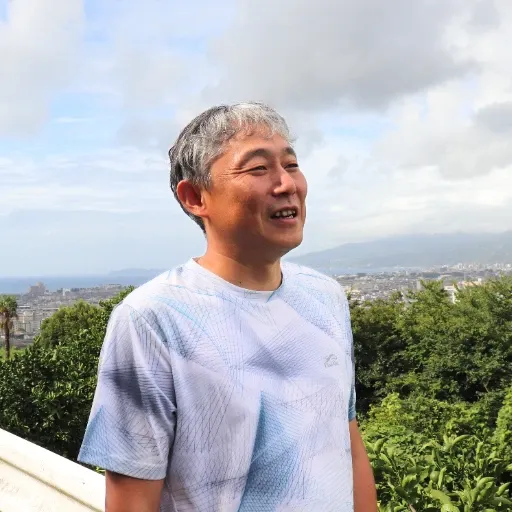
I am qualified as an exercise trainer, so I can leisurely advance at my own pace while doing light stretches along the way.
■Seasonal vegetables (what you can pick changes with the season) ・May: onions, radishes, etc. ・June: potatoes, onions, shishitou, etc. ・July: This is the time of the year when vegetables are at their best. tomatoes, eggplants, potatoes, etc. ・August: Okra, eggplant, shishitake, etc. ・September: okra, eggplant, etc. ・October: sweet potatoes, etc.
I'm looking forward to seeing what I can harvest that day once I come. Some may not be harvested depending on the weather. You can take home all the vegetables you have harvested.
■What we do in this field To be honest, it takes quite a bit of time and effort to grow more than 160 varieties a year. The seeds are collected and dried by hand, and weeding is done by hand with almost no machines. They decide where to plant by considering the path of the wind, adjust the spacing between stocks because they harden when crowded, and devise planting combinations by calculating how insects gather. While reading the environment of this land, they are grown by taking advantage of the characteristics of each vegetable. There are years when things don't go well, and there are many difficulties that come from not using pesticides. Please listen to anything about the field on the spot.
■Recommended for people like this ・Those who like rare vegetables not found in supermarkets ・Those who want to try farming someday or start a kitchen garden ・Families who want to touch soil and vegetables with their children ・Those who want to spend time relaxing and preparing themselves in nature
It's not just about picking vegetables. I would be happy if you could touch the soil and cherish the time you spend while feeling the comfort of the wind, the coolness of the water, and the warmth of the sunshine. It's also a time for children's dietary education to learn how vegetables grow. On the way back, we also recommend stopping by the surrounding hot springs and delicious restaurants.
・Clothes that can get dirty ・Hat/towel/boots (or shoes that can get dirty) ・Work gloves (vinyl material is recommended) ・Drinks ・A bag to take home harvested vegetables ・If necessary, sunscreen, insect repellent, and regular medicine
- Japanese
- Native
- English
- Basic phrases
Languages other than English can also be supported using translation apps, etc.
畑
〒258-0028 神奈川県足柄上郡開成町金井島
- Parking
- Available
- Nearest station
- 新松田駅(20 minutes on foot/5 minutes by bus)
- Pickup
- Pickup from the stationPick-up is possible from Shin-Matsuda Station (about 5 minutes by car). For the convenience of child seats, please use a taxi if you are traveling with children under 6 years old.
From the host
Details of the meeting point for the day will be announced via message after the reservation is confirmed.
If you cancel after your booking is confirmed, the following cancellation fees apply.
| 7 or more days before | No cancellation fee |
| 2–6 days before | 30% of the price |
| 1 days before | 50% of the price |
| Same-day cancellation / No-show | 100% of the price |
| Bad weather / farmer's circumstances | No cancellation fee |
Cancelled if rainy / full refund
It was decided in light rain. In case of cancellation, we will contact you the day before.
Participant reviews(2)
矢部舞
とても丁寧に野菜について教えていただきました。それだけでなく開成町の魅力も案内していただいて貴重すぎる時間でした。都内からこんなに近くに自然に触れられて緑豊かな場所があることをおかげで知ることができました。また、桜や紫陽花の季節に行きたいです!
2026年9月20日
ルチア
とてもとてもためになる体験でした。駅からの送迎、開成町の案内、ぶどうの直売所の案内など、畑の作業だけでなくいろいろとお世話になりました。畑には今まで見たことも食べたこともないような多品種の野菜があり、それぞれの特徴・育て方などもていねいに説明していただき、特にオクラ好きの私の質問にも丁寧に答えてくださって、今まで疑問に思っていたことがすっきりしました。無農薬の野菜ですから当然虫はいましたが、むしろ野菜を素手で触ってそのままかじりつくことができるのはありがたいことだと思いました。収穫だけではなく、ニンジンの種まきも体験させていただき、楽しく過ごせました。たくさんの種類の収穫物は、持って帰るのが重くて大変なくらい大量にいただき、こんなにいただいてよいものやら…という感じでした。季節によって栽培される作物が違うので、また季節を変えて体験したいと思いました。
2026年9月13日
Select your preferred date and time
Check availability and choose the date and time you'd like to join. Fully booked dates can't be selected.Enter participant and payment details (name, contact, number of people)
Enter your name, contact details, and number of participants to request a booking. No charge is made at this point.Farmer approval
The farmer reviews and approves your request. Once approved, payment and your booking are confirmed, and you'll receive a confirmation email. If not approved, the booking is automatically cancelled with no charge.Payment
Payment is charged to your registered payment method as soon as the farmer approves your booking.Join on the day
You'll receive a reminder email the day before. On the day, check the meeting point and what to bring on your booking page, then meet the farmer in person.Leave a review
After the experience, you can post a review. Following a farmer you'd like to support lets you know about new experiences, and you can also send support (a tip) directly.
Helpful articles
Recommended article
はじめての方へ:登録から予約完了までの流れ
noumeeでの登録から体験予約が確定するまでの流れを、実際の画面とあわせて丁寧に紹介します。支払いのタイミングや無料キャンセルの条件など、初めてでも安心して予約できるポイントも解説します。
Recommended article
農業体験の持ち物と服装ガイド
初めての農業体験で迷いがちな服装と持ち物の選び方を紹介します。汚れてもいい服・歩きやすい靴・季節ごとの注意点に加え、収穫物の持ち帰り方まで、参加前に確認しておきたいポイントをまとめました。
Recommended article
生産者とつながる3つの方法(買う・行く・送る)
生産者さんを応援したいときにできる3つの方法を紹介します。直売所での購入、農業体験への参加、そしてnoumeeの応援機能でメッセージと金額を直接届ける方法です。
Recommended article
有機栽培・自然栽培・環境再生型の違いとは?農業体験前に知りたい基礎知識
有機栽培・自然栽培・環境再生型農業、それぞれの違いと考え方を解説します。農業体験に行く前に読むと、生産者さんとの会話がもっと面白くなります。